

Latest Weekly News
Extension Lead Safety Regulations UK: BS EN Compliance Guide

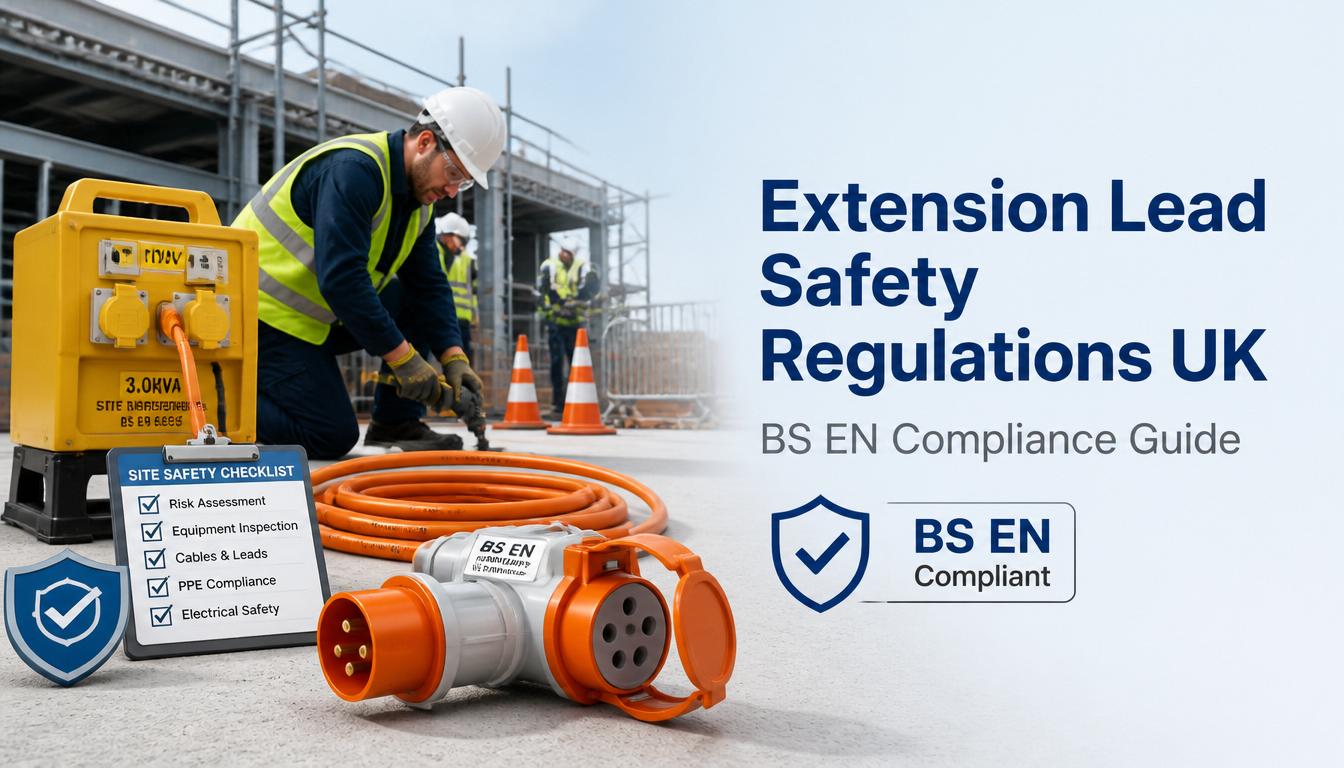
An extension lead is a portable electrical cable used to deliver power from a fixed socket to tools or equipment. In simple terms, it allows electricity to be safely extended to where it is needed. However, in the UK, these products must follow strict safety rules to ensure they can be used safely in homes, workplaces, and construction environments.
Understanding extension lead regulations UK and BS EN extension leads standards is essential because it helps ensure that electrical equipment is safe, reliable, and legally compliant. This is especially important in workplaces where electrical risks are significantly higher.
Why Extension Lead Safety Standards Matter
Electrical safety regulations exist to prevent accidents, protect workers, and ensure equipment performs reliably under load.
Proper extension lead safety ensures:
- Protection from electric shock and fire hazards
- Safe operation in workplaces and industrial environments
- Reduced risk of equipment failure
- Compliance with UK legal and insurance requirements
- Safer working conditions in high risk areas
This makes workplace electrical safety a critical priority for all industries.
What Happens When Extension Leads Don’t Meet Safety Standards
Ignoring compliance or using non certified equipment can lead to serious issues:
- Increased risk of overheating and fire
- Electrical shock hazards in wet or outdoor environments
- Equipment damage due to unstable power delivery
- Failed workplace safety inspections
- Legal and insurance complications after incidents
These problems often arise when cheap or uncertified extension leads are used instead of properly rated equipment.
Understanding BS EN Extension Lead Compliance
The solution is to use extension leads that meet BS EN extension leads safety standards. These standards ensure the product has been tested for electrical safety, durability, and performance under real working conditions.
Key Elements of BS EN Compliance
Compliant extension leads must meet strict requirements such as:
- Proper insulation and electrical protection
- Safe load handling capacity
- Heat resistance under continuous use
- Strong and durable construction
- Certified testing and quality assurance
Why Compliance Is Important in the UK
Following extension lead compliance rules ensures:
- Equipment is safe for professional and domestic use
- Reduced risk of workplace accidents
- Consistency in electrical safety standards
- Easier approval during site inspections
Extension Lead Safety Regulations UK Comparison
| Feature | Non Compliant Extension Lead | Basic Certified Lead | BS EN Compliant Extension Lead |
| Safety Level | Low | Moderate | High |
| Certification | None | Partial | Full BS EN certification |
| Risk of Failure | High | Medium | Low |
| Overload Protection | Often missing | Basic protection | Advanced safety systems |
| Workplace Approval | Not allowed | Conditional use | Fully approved |
| Ideal Use | Not recommended | Light duty tasks | Professional & industrial environments |
Key Safety Features to Look For
When selecting compliant equipment, always check for:
- BS EN certification marking
- Strong cable insulation suitable for heavy use
- Built in overload protection
- Heat and impact resistance
- Suitable IP rating for outdoor use where needed
These features ensure compliance with workplace electrical safety standards and reduce operational risks.
Benefits of Using Compliant Extension Leads
Choosing properly certified products offers several advantages:
- Safer working environments for all users
- Reduced risk of electrical faults and accidents
- Longer lifespan of equipment
- Improved reliability under heavy loads
- Full compliance with UK safety regulations
For businesses, this translates into fewer disruptions and better operational safety.
Conclusion
Understanding extension lead regulations UK and choosing BS EN extension leads is essential for maintaining safe and compliant electrical systems. By prioritising extension lead safety and ensuring proper extension lead compliance, users can significantly reduce risks and improve reliability. Whether in construction, workshops, or industrial environments, certified equipment is key to maintaining strong workplace electrical safety standards.
FAQs
1. What is an extension lead?
An extension lead is a portable electrical cable that extends power from a fixed socket to tools or equipment.
2. Why are extension lead safety regulations important in the UK?
They help prevent electrical accidents, improve safety, and ensure equipment meets legal requirements.
3. What are BS EN extension lead standards?
BS EN standards are safety and performance requirements that extension leads must meet for compliant use.
4. Why should businesses use BS EN compliant extension leads?
They provide greater safety, reliability, and compliance with workplace electrical regulations.
5. What risks are associated with non compliant extension leads?
They can increase the risk of overheating, fire, electric shock, and equipment failure.
6. How do BS EN standards improve extension lead safety?
They require testing for insulation, durability, load capacity, and overall electrical performance.
7. What is meant by extension lead compliance?
Compliance means the product meets recognized safety standards and regulatory requirements.
8. Why is proper insulation important in extension leads?
Good insulation helps prevent electric shock, cable damage, and electrical faults.
9. What role does load capacity play in extension lead safety?
The lead must safely handle the connected electrical load without overheating or failing.
10. Why is heat resistance important for extension leads?
Heat-resistant materials help maintain safe performance during prolonged or heavy duty use.
11. What safety features should a compliant extension lead include?
Look for overload protection, durable construction, strong insulation, and appropriate certification.
12. Are certified extension leads required for workplace use?
Certified extension leads are strongly recommended to support workplace safety and compliance.
13. Why might a non-compliant extension lead fail a site inspection?
It may lack required certifications, safety features, or proof of compliance with standards.
14. What are the benefits of using BS EN compliant extension leads?
They improve safety, reduce faults, increase reliability, and support regulatory compliance.
15. How do compliant extension leads contribute to workplace electrical safety?
They help minimize electrical hazards, protect users, and ensure safer operation in professional environments.