

Latest Weekly News
Industrial Fans for Warehouses & Factories: What to Look For

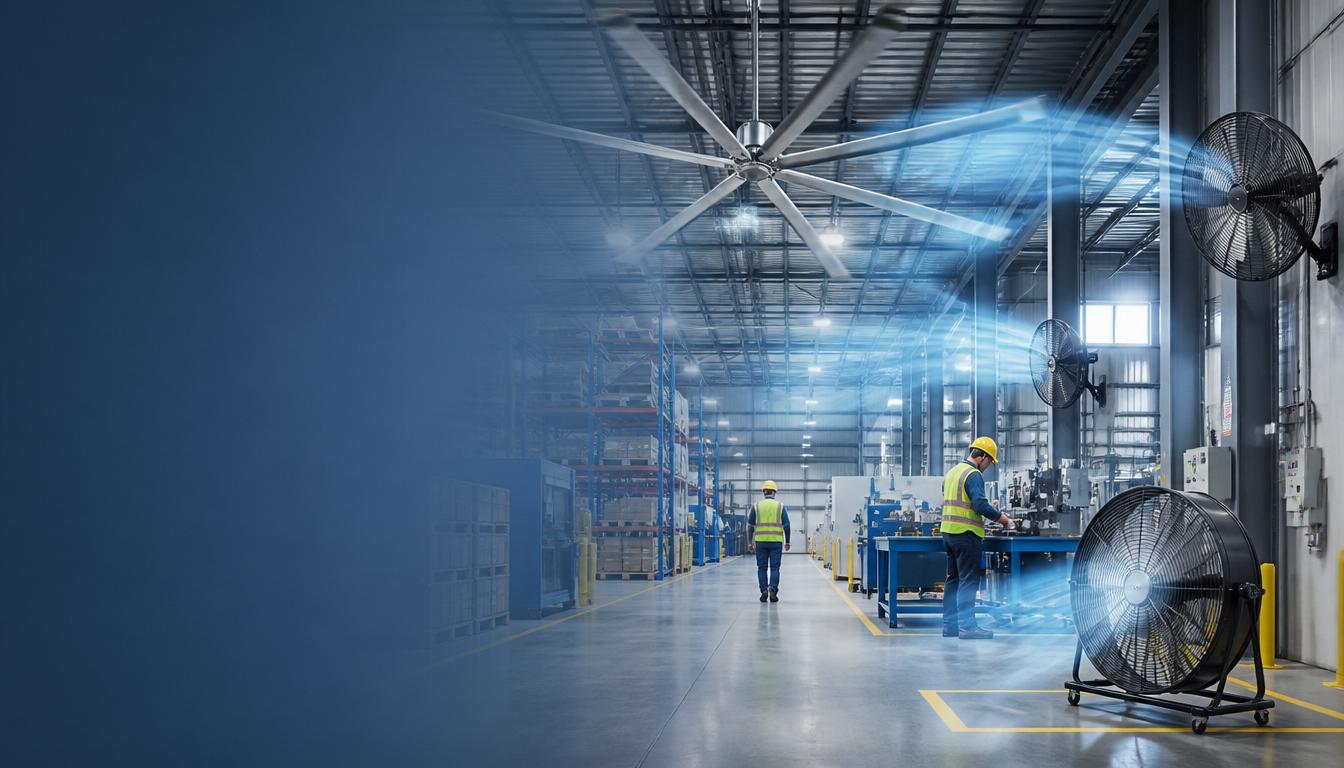
Industrial fans are powerful ventilation systems designed to move large volumes of air in big spaces like warehouses, factories, and production facilities. In simple terms, they help keep air flowing, reduce heat buildup, and improve working conditions in environments where standard fans are not enough.
Choosing the right system matters because poor airflow in industrial spaces can affect worker safety, machine performance, and overall productivity. That’s why understanding warehouse fans and other industrial options is essential for any facility manager or business owner.
Why Industrial Fans Are Essential in Large Workspaces
Warehouses and factories often deal with heat, dust, fumes, and stagnant air. Without proper ventilation, these conditions can quickly become uncomfortable and unsafe.
High-quality industrial ventilation fans help by:
- Improving airflow across large open areas
- Reducing heat buildup from machinery
- Removing dust, fumes, and airborne particles
- Enhancing worker comfort and productivity
- Supporting compliance with workplace safety standards
This makes proper ventilation a key part of any factory fans UK setup.
Common Airflow Issues in Industrial Spaces
Many warehouses and factories face ongoing ventilation problems, including:
- Uneven airflow leaving hot and cold zones
- Overheating machinery due to poor air circulation
- Dust accumulation affecting equipment performance
- High energy costs from inefficient cooling systems
- Uncomfortable working conditions for staff
These issues often arise when inadequate or poorly selected commercial cooling fans are used.
How to Choose the Right Industrial Fan
The solution is to select fans based on space size, airflow requirements, and operating conditions rather than just price.
1. Assess the Size of the Space
Larger areas require high-capacity warehouse fans that can move air efficiently across wide distances.
2. Understand Airflow Requirements
Look at airflow ratings (measured in CFM or m³/h) to ensure adequate ventilation.
3. Choose the Right Fan Type
Different environments need different solutions:
- Ceiling fans for general circulation
- Wall-mounted fans for directional airflow
- Floor fans for targeted cooling
- High-velocity industrial units for heavy-duty use
4. Prioritise Energy Efficiency
Efficient industrial ventilation fans reduce running costs while maintaining strong performance.
5. Consider Durability and Build Quality
Industrial environments require fans that can withstand dust, heat, and continuous operation.
Industrial Fans Comparison Table
| Feature | Basic Commercial Fan | Standard Warehouse Fan | Heavy-Duty Industrial Fan |
| Airflow Strength | Low | Medium | Very High |
| Coverage Area | Small rooms | Medium warehouses | Large factories |
| Durability | Basic | Reinforced | Industrial-grade build |
| Energy Efficiency | Moderate | Good | High-efficiency models available |
| Ideal Use | Offices/light use | Storage warehouses | Factories & production lines |
| Noise Level | Low | Moderate | Varies depending on power |
Key Features to Look for in Factory Fans UK
When selecting factory fans UK, consider the following features:
- High airflow capacity for large spaces
- Strong motor built for continuous operation
- Corrosion-resistant materials for industrial environments
- Adjustable speed settings for flexible control
- Safe mounting and stable installation options
These features ensure long-term reliability in demanding environments.
Benefits of Using Proper Industrial Ventilation Systems
Investing in the right industrial ventilation fans provides several advantages:
- Improved air quality and comfort for workers
- Reduced heat stress in busy production areas
- Better performance and lifespan of machinery
- Lower energy costs compared to inefficient cooling
- Safer working conditions across the facility
For businesses, these benefits directly improve productivity and operational efficiency.
Industrial Fan Buying Guide: What to Keep in Mind
A practical industrial fan buying guide should always include:
- Size and layout of your facility
- Heat and airflow challenges in the space
- Type of work being carried out
- Energy efficiency requirements
- Maintenance and durability expectations
Considering these factors helps ensure you choose the most suitable solution.
Conclusion
Choosing the right warehouse fans or factory fans UK is essential for maintaining safe, efficient, and comfortable working environments. By understanding airflow needs and selecting appropriate industrial ventilation fans, businesses can reduce heat, improve air quality, and enhance productivity. A well-planned approach to commercial cooling fans ensures long-term efficiency and reliable performance across all industrial spaces.
FAQs
1. What are industrial fans?
Industrial fans are high capacity ventilation systems designed to move large volumes of air in warehouses, factories, and industrial facilities.
2. Why are industrial fans important in warehouses and factories?
They improve airflow, reduce heat buildup, and create safer and more comfortable working conditions.
3. What problems occur without proper industrial ventilation?
Poor airflow can cause overheating, dust buildup, reduced productivity, and uncomfortable working conditions.
4. What types of industrial fans are commonly used?
Common types include ceiling fans, wall-mounted fans, floor fans, and high-velocity industrial units.
5. Which fan type is best for large factories?
Heavy duty industrial fans with high airflow capacity are best for large factory environments.
6. What are warehouse fans used for?
Warehouse fans improve air circulation and help maintain consistent temperatures across large storage areas.
7. Why is airflow rating important when choosing a fan?
Airflow ratings show how much air a fan can move, helping ensure proper ventilation for the space size.
8. How do industrial fans improve worker productivity?
They reduce heat stress and improve comfort, allowing workers to focus better on tasks.
9. Can industrial fans help reduce energy costs?
Yes, efficient ventilation fans reduce reliance on air conditioning and lower overall energy consumption.
10. What features should factory fans have?
They should include strong motors, durable materials, adjustable speeds, and stable mounting systems.
11. Why is durability important in industrial fans?
Durability ensures fans can withstand dust, heat, and continuous operation in harsh environments.
12. How do industrial fans improve air quality?
They remove dust, fumes, and stagnant air from large indoor spaces.
13. What factors should be considered before buying an industrial fan?
Consider space size, airflow needs, energy efficiency, and environmental conditions.
14. Are industrial fans suitable for continuous use?
Yes, most heavy-duty industrial fans are designed for long hours of continuous operation.
15. What are the main benefits of industrial ventilation systems?
They improve air quality, reduce heat, enhance safety, and boost overall workplace productivity.