

Latest Weekly News
Industrial Fans vs Domestic Fans: Why Site & Facility Use Needs Heavy Duty

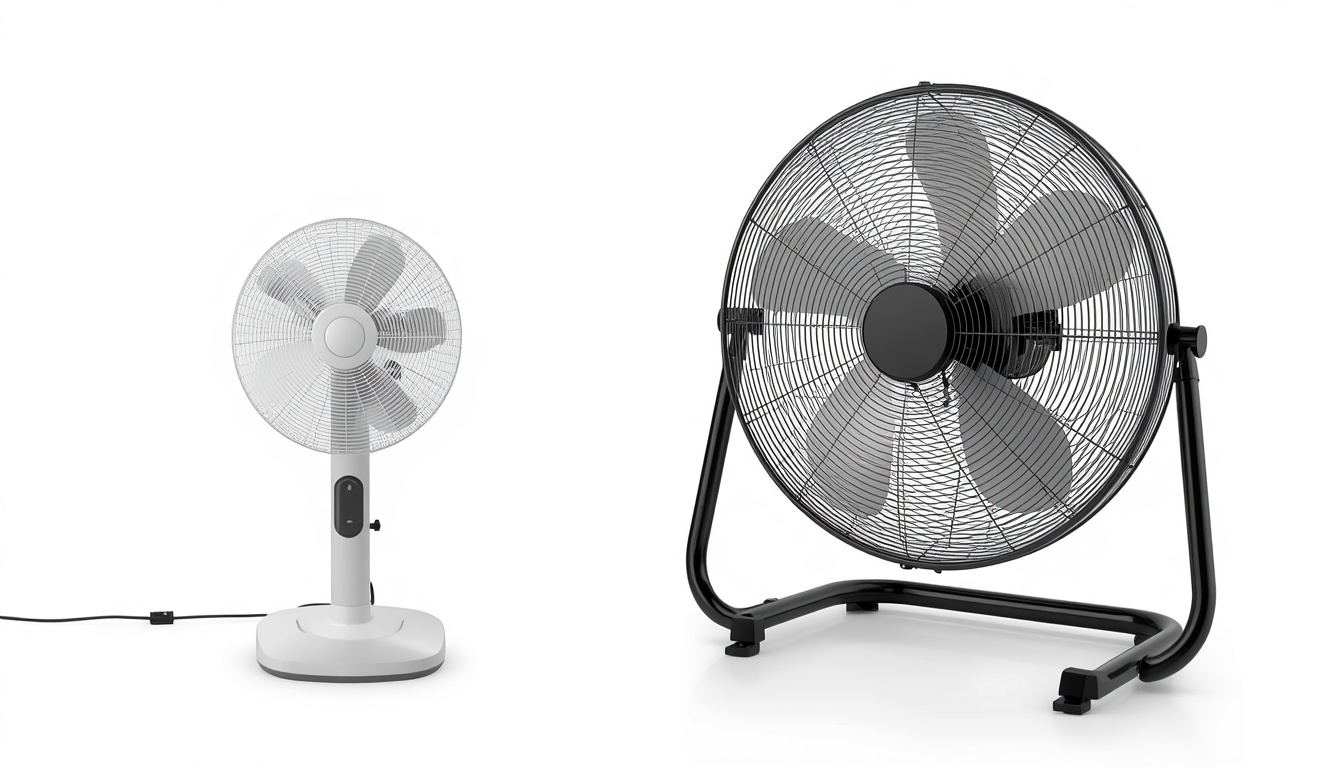
Fans are used to move air and improve comfort, but not all fans are built for the same purpose. A domestic fan is designed for light home use, while an industrial fan is engineered for demanding environments like warehouses, factories, and construction sites.
Understanding the difference in industrial fans vs domestic fans is important because the wrong choice can lead to poor airflow, equipment failure, and even safety risks in busy work environments. For facilities and worksites, ventilation is not just about comfort, it’s about productivity and safety.
Why Proper Airflow Matters in Work Environments
In large or enclosed spaces, heat, dust, and poor air circulation can quickly become a problem. This is where heavy duty fans UK solutions become essential.
Good ventilation helps:
- Control heat in large working areas
- Improve air quality in enclosed spaces
- Reduce fatigue among workers
- Protect machinery from overheating
- Maintain safer and more comfortable environments
This is especially important in warehouse fans setups where airflow directly affects operations.
What Goes Wrong with Domestic Fans in Industrial Settings
Many facilities try to save costs by using household fans, but this often leads to serious issues:
- Weak airflow that cannot cover large spaces
- Overheating due to continuous long hour usage
- Frequent breakdowns under heavy duty conditions
- Poor durability in dusty or harsh environments
- Inefficient cooling in warehouses and factories
These problems reduce productivity and can create unsafe working conditions, especially in high heat environments.
Why Industrial Fans Are the Right Choice
The solution is to use fans specifically designed for industrial environments. Industrial cooling solutions are built to handle continuous operation, larger spaces, and harsher conditions.
1. Built for Continuous Operation
Unlike domestic fans, industrial models are designed to run for long hours without overheating.
2. Higher Airflow Capacity
They deliver significantly stronger airflow, making them suitable for large spaces.
3. Durable Construction
Made with reinforced materials to withstand dust, impact, and industrial wear.
4. Designed for Large Spaces
Perfect for factories, workshops, and logistics hubs where airflow needs are much higher.
Industrial Fans vs Domestic Fans Comparison
| Feature | Domestic Fans | Industrial Fans |
| Airflow Strength | Low to moderate | High and powerful |
| Usage Duration | Short term use | Continuous operation |
| Durability | Basic plastic build | Heavy duty reinforced design |
| Space Coverage | Small rooms | Warehouses & factories |
| Heat Resistance | Limited | High performance cooling |
| Ideal Environment | Homes | Industrial sites & facilities |
Where Industrial Fans Are Essential
Commercial fans UK and industrial systems are commonly used in:
- Warehouses and storage facilities
- Manufacturing plants
- Construction sites
- Workshops and garages
- Large commercial buildings
In these environments, consistent airflow is critical for safety and efficiency.
Benefits of Heavy Duty Industrial Cooling
Investing in proper industrial cooling solutions provides several advantages:
- Better temperature control in large spaces
- Reduced equipment overheating risks
- Improved worker comfort and productivity
- Longer operational lifespan of machinery
- Reliable performance in demanding conditions
For businesses, this directly supports safer and more efficient operations.
Choosing the Right Fan for Your Facility
When selecting between domestic and industrial options, consider:
- Size of the working area
- Duration of daily operation
- Heat levels generated by machinery
- Dust and environmental conditions
- Airflow requirements for safety and comfort
These factors help determine whether standard or heavy duty fans are required.
Conclusion
Understanding the difference between industrial fans vs domestic fans is essential for any workplace that relies on proper ventilation. While domestic fans are suitable for light use, industrial environments require stronger, more durable systems designed for continuous operation. Choosing the right warehouse fans or commercial fans UK ensures better airflow, improved safety, and more efficient industrial cooling solutions across all facility types.
FAQs
1. What is the difference between industrial fans and domestic fans?
Domestic fans are for light home use, while industrial fans are built for large, demanding environments like factories and warehouses.
2. Why are industrial fans needed in workplaces?
They provide strong airflow, improve air quality, and maintain safe working conditions in large or enclosed spaces.
3. What problems occur when using domestic fans in industrial settings?
They often fail due to weak airflow, overheating, poor durability, and inability to cover large areas.
4. Are domestic fans suitable for warehouses?
No, domestic fans are not designed for large spaces or continuous heavy duty operation.
5. What makes industrial fans more durable?
They use reinforced materials designed to withstand dust, heat, and continuous use.
6. Can industrial fans run continuously?
Yes, industrial fans are designed for long hours of continuous operation without overheating.
7. Why is airflow strength important in industrial fans?
Strong airflow ensures effective cooling and ventilation across large work areas.
8. Where are industrial fans commonly used?
They are used in warehouses, factories, workshops, construction sites, and large commercial spaces.
9. How do industrial fans improve workplace safety?
They reduce heat buildup, improve air quality, and help prevent equipment overheating.
10. What is the main limitation of domestic fans?
They are not built for continuous use or large scale airflow requirements.
11. Why do warehouses need industrial fans?
Warehouses require powerful ventilation to manage heat, dust, and poor air circulation.
12. How do industrial fans improve productivity?
They keep workers cooler and more comfortable, reducing fatigue and improving focus.
13. What should be considered when choosing a fan for industrial use?
Consider space size, airflow needs, operating time, and environmental conditions.
14. Are industrial fans more powerful than domestic fans?
Yes, industrial fans provide significantly higher airflow and cooling capacity.
15. What are the benefits of using industrial cooling solutions?
They improve safety, enhance comfort, protect equipment, and support efficient operations.