

Latest Weekly News
Site Lighting Price Guide UK: What Should You Budget For a Project?

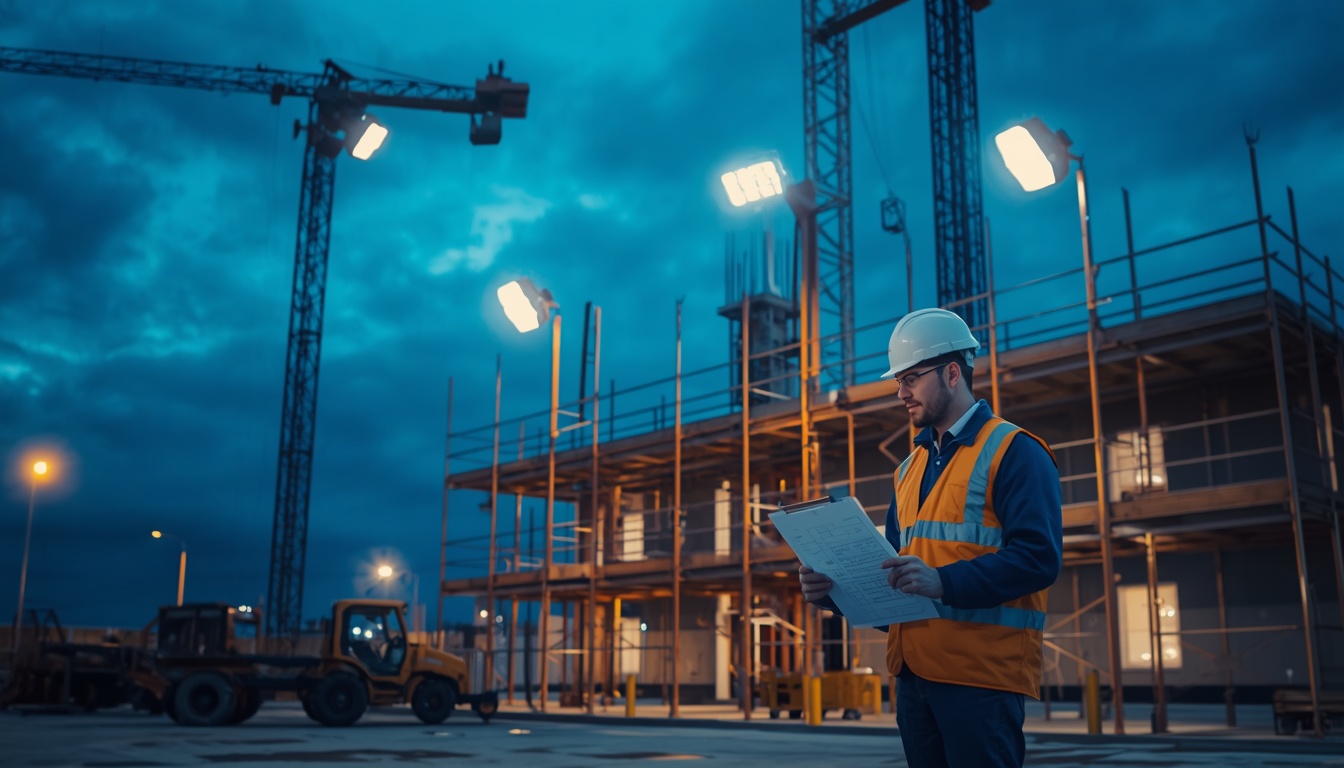
Site lighting refers to the lighting systems used on construction sites, industrial areas, and outdoor work environments to ensure visibility and safety. In simple terms, it covers everything from portable work lights to full temporary lighting setups that keep projects running safely after dark or in low-light conditions.
Understanding site lighting prices is important because lighting is a core part of any project budget. Whether it’s a small construction job or a large industrial site, the cost of lighting directly affects safety, efficiency, and overall project planning.
Why Site Lighting Costs Matter
Lighting is often underestimated in project planning, but it plays a major role in productivity and safety.
Knowing your construction lighting costs helps you:
- Plan accurate project budgets
- Avoid unexpected equipment expenses
- Ensure proper lighting coverage for safety
- Choose the right quality level for the job
- Balance cost with long-term durability
This is especially important when dealing with large-scale industrial lighting cost planning.
Common Budgeting Mistakes in Site Lighting
Many projects run into financial and operational issues due to poor lighting cost planning:
- Underestimating total equipment requirements
- Choosing cheap lighting that fails early
- Overpaying for unnecessary high-spec systems
- Ignoring installation and maintenance costs
- Not accounting for site size and complexity
These mistakes often lead to delays, safety risks, and increased long-term expenses.
How to Build a Smart Site Lighting Budget
The solution is to plan lighting costs based on project size, environment, and usage needs rather than just upfront price.
1. Assess Project Requirements
Consider:
- Size of the site
- Duration of the project
- Indoor vs outdoor working conditions
- Night-time or low-light usage needs
2. Choose the Right Lighting Type
Different work light prices vary depending on type:
- Portable LED lights for small jobs
- Tower lights for large construction areas
- Industrial-grade systems for long-term use
3. Factor in Total Cost of Ownership
Don’t just look at purchase price—include:
- Maintenance costs
- Energy usage
- Replacement frequency
4. Match Quality with Usage Level
Higher-quality systems may cost more upfront but reduce long-term expenses.
Site Lighting Price Comparison UK
| Lighting Type | Typical Cost Range | Best Use | Key Benefit |
| Basic Work Lights | Low cost | Small indoor tasks | Affordable short-term use |
| Standard Construction Lights | Mid-range | General construction sites | Balanced performance & cost |
| Industrial Lighting Systems | High cost | Large industrial projects | Maximum durability & coverage |
Key Factors That Affect Site Lighting Prices UK
Several factors influence site lighting prices UK, including:
- Type of lighting system (LED, halogen, tower lights)
- Power output and brightness level
- Build quality and weather resistance
- Portability and installation requirements
- Project duration and intensity of use
Understanding these helps create a more accurate site lighting budget guide.
Tips for Managing Construction Lighting Costs
To keep construction lighting costs under control:
- Choose energy-efficient LED systems
- Match lighting type to actual site needs
- Avoid over-specifying equipment
- Reuse or relocate lighting where possible
- Maintain equipment regularly to extend lifespan
These steps help reduce unnecessary spending without compromising safety.
Benefits of Proper Lighting Budget Planning
A well-planned lighting budget ensures:
- Better financial control across the project
- Fewer unexpected equipment expenses
- Improved safety and visibility on-site
- More efficient use of resources
- Long-term cost savings on replacements
For contractors and site managers, this leads to smoother project execution.
Conclusion
Understanding site lighting prices UK is essential for creating realistic and effective project budgets. By evaluating construction lighting costs, choosing suitable systems, and following a structured site lighting budget guide, teams can balance performance and affordability. Whether managing industrial lighting cost or selecting everyday work light prices, proper planning ensures safer, more efficient, and more cost-effective site operations.
FAQs
1. What is site lighting?
Site lighting includes portable and fixed lighting systems used to provide visibility on construction and industrial sites.
2. Why is site lighting important for project planning?
It improves safety, supports productivity, and forms an essential part of overall project budgeting.
3. What affects site lighting prices in the UK?
Factors include lighting type, brightness, durability, weather resistance, and installation requirements.
4. Why should lighting costs be included in project budgets?
Proper budgeting helps avoid unexpected expenses and ensures adequate lighting coverage throughout the project.
5. What are common mistakes when budgeting for site lighting?
Common mistakes include underestimating equipment needs, ignoring maintenance costs, and choosing unsuitable lighting.
6. How does project size influence lighting costs?
Larger sites typically require more lighting units and wider coverage, increasing overall costs.
7. What types of site lighting are available?
Options include portable work lights, construction lights, tower lights, and industrial lighting systems.
8. Why are LED lighting systems popular on construction sites?
LEDs are energy efficient, durable, and offer lower operating costs over time.
9. What is meant by the total cost of ownership for site lighting?
It includes purchase price, maintenance, energy consumption, and replacement costs over the product’s lifespan.
10. Are industrial lighting systems more expensive than standard work lights?
Yes, industrial systems generally cost more because they offer greater durability, coverage, and performance.
11. How can contractors reduce construction lighting costs?
They can use energy efficient LEDs, avoid over specifying equipment, and maintain lighting properly.
12. Why is weather resistance important when selecting site lighting?
Weather resistant lighting performs more reliably in outdoor environments and harsh conditions.
13. How does proper lighting improve project efficiency?
Good lighting enhances visibility, reduces delays, and helps workers complete tasks more accurately.
14. What should be considered when choosing a lighting system?
Consider site size, project duration, environmental conditions, and lighting requirements.
15. What are the benefits of effective site lighting budget planning?
It improves cost control, enhances safety, reduces unexpected expenses, and supports smoother project delivery.